How Tuckpointing Helps Prevent Structural Damage in Commercial Properties
Commercial tuckpointing professionals can help protect your property by repairing mortar joints, preventing water infiltration, and avoiding structural damage in commercial buildings.
If you own or manage a commercial property, understanding how tuckpointing helps prevent structural damage is essential for maintaining the integrity and value of the building. Over time, mortar joints can crack, erode, or become compromised due to exposure to weather and age, creating vulnerabilities that may lead to more serious issues like water infiltration or foundation problems. Exploring this topic can reveal practical ways to protect your investment and ensure the safety of your tenants or employees. Local contractors specializing in commercial tuckpointing are equipped to assess and address these issues, helping to reinforce the building’s structure before costly repairs become necessary.
Delving into how tuckpointing helps prevent structural damage in commercial properties highlights the importance of timely maintenance and professional expertise. Properly maintained mortar joints act as a barrier against moisture and environmental stressors, reducing the risk of deterioration that can compromise the building’s stability. Property owners in the area may find value in connecting with experienced service providers who can perform these targeted repairs efficiently and effectively. Keeping your commercial property in top condition not only preserves its appearance but also safeguards its long-term durability, making it worthwhile to explore how local pros can support this vital aspect of property management.
- Commercial building facades - when signs of mortar deterioration appear, local contractors can perform tuckpointing to reinforce structural integrity and prevent further damage.
- Brick wall restoration - if cracks or crumbling mortar are noticed, local service providers can apply tuckpointing to maintain stability and avoid costly repairs.
- Historic commercial properties - for older structures showing mortar decay, local pros can carefully restore joints to preserve the building’s strength and prevent structural issues.
- Retail or office building exteriors - when mortar joints become compromised, local contractors can implement tuckpointing to help prevent water infiltration and subsequent damage.
- Industrial facility walls - if signs of mortar erosion are present, local service providers can execute tuckpointing to support the building’s load-bearing capacity and prevent structural deterioration.
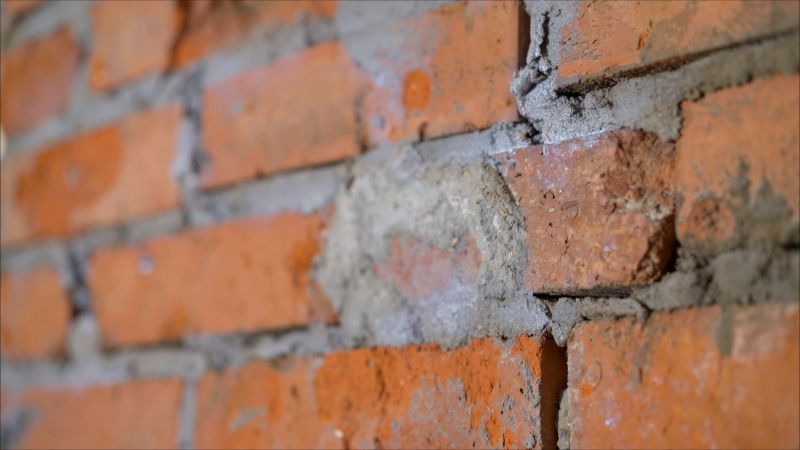
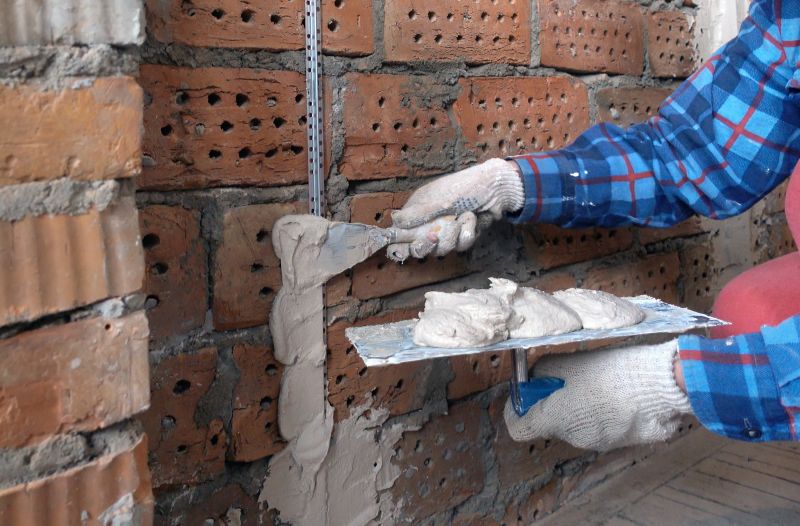
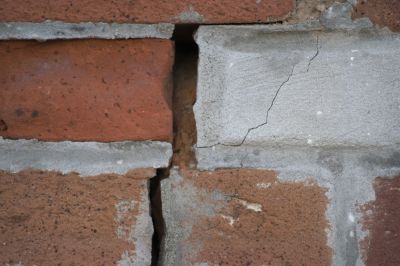
When people search for how tuckpointing helps prevent structural damage in commercial properties, they are often looking for information about maintaining the integrity and safety of their buildings. This topic typically relates to issues like deteriorating mortar joints, cracks, water infiltration, and overall stability concerns. Commercial property owners may be planning repairs, preventive maintenance, or renovations, and want to understand how proper tuckpointing can protect their investment. They might also be exploring options for long-term upkeep to avoid costly repairs down the line, making the connection between mortar condition and the building’s structural health clear.
This subject is closely tied to common problems such as mortar erosion, brick spalling, and water leaks that can compromise a building’s foundation and load-bearing elements. When mortar joints weaken or crack, they create openings that allow moisture to penetrate the wall system. Over time, this moisture can lead to internal damage, mold growth, and even structural failure if left unaddressed. Property owners often consider tuckpointing as part of their repair or renovation plans to reinforce these vulnerable areas. Local contractors specializing in commercial tuckpointing can evaluate the condition of the mortar and recommend targeted work to prevent these issues from escalating.
The types of properties that typically come up in discussions about tuckpointing include office buildings, retail centers, warehouses, apartment complexes, and institutional facilities like schools or government offices. These structures often feature brick or stone exteriors that require regular maintenance to preserve their appearance and structural integrity. Commercial properties with older facades are especially prone to mortar deterioration, making professional tuckpointing an essential service. Property managers and owners recognize that addressing mortar problems early can extend the lifespan of their buildings and help avoid more extensive, disruptive repairs in the future.
Connecting this topic to real projects, property owners should understand that local pros who specialize in commercial tuckpointing play a vital role in maintaining the safety and durability of their buildings. These service providers assess the condition of existing mortar, remove deteriorated joints, and carefully replace or repair them to match the original appearance. Proper tuckpointing not only enhances the aesthetic appeal of a property but also acts as a barrier against water intrusion and structural weakening. For those planning renovations or routine maintenance, partnering with experienced local contractors ensures that tuckpointing work is performed effectively, helping to prevent costly damage and preserve the building’s long-term stability.
Masonry Restoration Projects - These projects involve repairing and restoring brick and stone structures, utilizing skills similar to tuckpointing to maintain the integrity of building exteriors and prevent damage.
Brickwork Repair Services - Local contractors skilled in brick repair work focus on replacing damaged mortar and bricks, which aligns with the techniques used in tuckpointing to reinforce structures against deterioration.
Facade Repointing Projects - Repointing involves renewing the external mortar joints, a process closely related to tuckpointing that helps protect buildings from water infiltration and structural issues.
Stone Masonry Projects - These projects require precise mortar application and stone setting, similar to tuckpointing, to ensure stability and prevent water or weather damage.
Historic Building Preservation - Preservation efforts often include tuckpointing techniques to maintain the original appearance while preventing further structural deterioration.
Exterior Wall Repair Services - Repairing and restoring exterior wall surfaces involves skills in mortar matching and application, essential for preventing moisture intrusion and structural damage in commercial properties.
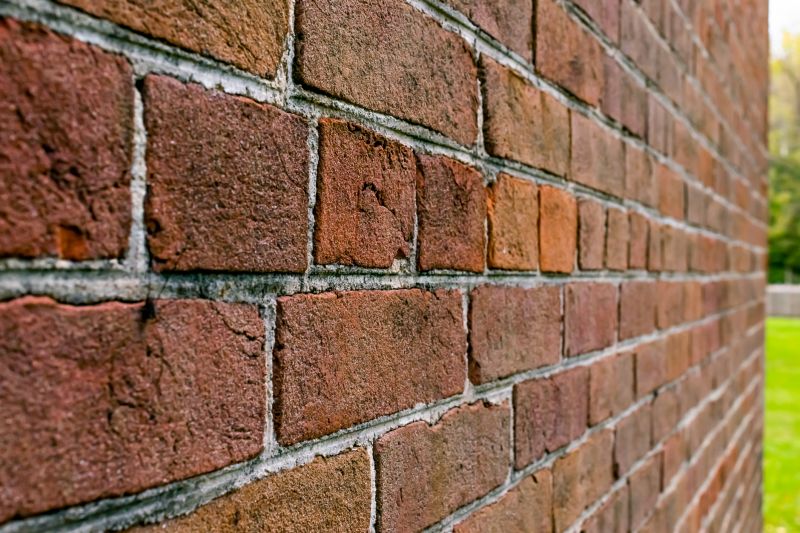
When evaluating commercial tuckpointing services, it is important for homeowners to consider the experience of local contractors with similar projects. Tuckpointing requires specialized skills to effectively restore and reinforce brickwork, which can vary based on the building’s age, design, and condition. Service providers who have a proven track record handling commercial properties of comparable size and complexity are more likely to understand the specific challenges involved and deliver results that help prevent structural damage over time. Asking about past projects, reviewing portfolios, or seeking references can provide insight into a contractor’s familiarity with the unique demands of commercial tuckpointing work.
Clear written expectations are essential for ensuring that the scope and quality of work are well understood before any project begins. Homeowners should look for service providers who can offer detailed proposals outlining the work to be performed, materials to be used, and the expected outcomes related to preventing structural issues. Having this information in writing helps prevent misunderstandings and provides a basis for evaluating whether the contractor’s approach aligns with the property’s needs. This transparency contributes to a smoother project process and increases confidence that the tuckpointing will effectively support the building’s structural integrity.
Reputable references and effective communication are key indicators of a reliable service provider. Contractors who can furnish references from previous clients, especially those with commercial properties, demonstrate a history of satisfied customers and successful projects. Good communication throughout the process ensures that any questions or concerns are addressed promptly, helping to maintain clarity and trust. When choosing local pros for tuckpointing, it is beneficial to prioritize those who are responsive, transparent, and willing to discuss their methods and experience. This approach helps homeowners make informed decisions and select service providers capable of delivering results that help safeguard their commercial property’s structure.
Property owners often search for how tuckpointing helps prevent structural damage in commercial properties when they are planning practical projects around their homes and businesses. Local pros provide Commercial Tuckpointing services for everyday jobs and straightforward project options.
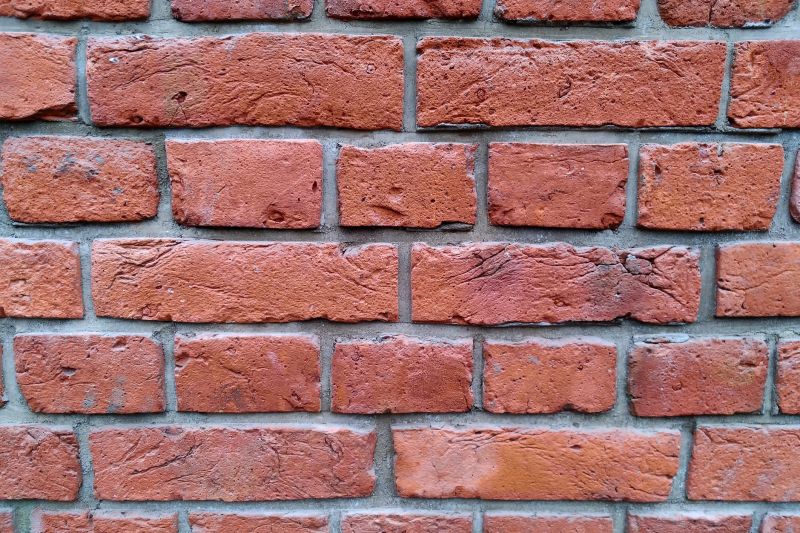
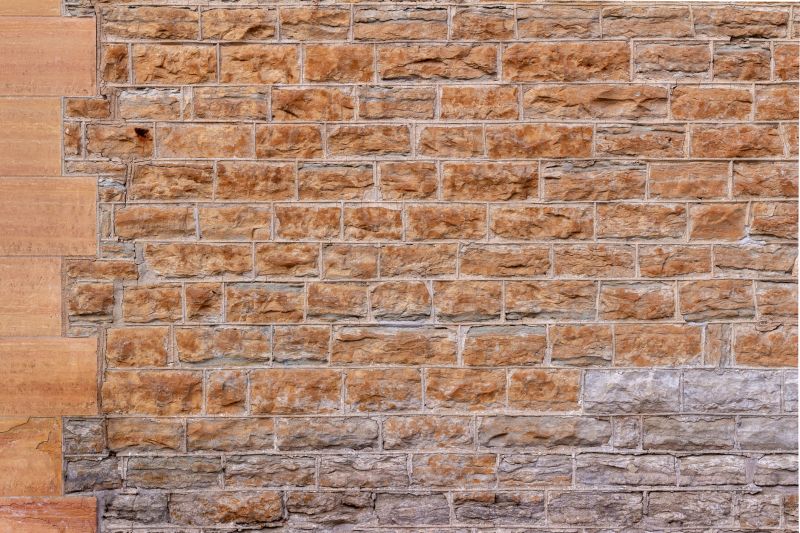
Tuckpointing is a practical solution for maintaining the integrity of commercial properties, especially in busy downtown areas or older neighborhoods. Property owners often look up how tuckpointing helps prevent structural damage when they notice crumbling mortar joints or deteriorating brickwork on their buildings. Addressing these issues early with the help of local contractors can stop small problems from escalating into costly repairs, ensuring the building remains safe and stable over time. Regular maintenance and timely tuckpointing services can extend the lifespan of a commercial structure by reinforcing its walls and preventing moisture from seeping in, which can cause further damage.
Many property owners in the area turn to local service providers when they see signs of mortar deterioration or water infiltration around their brick facades. Commercial tuckpointing services are a straightforward way to restore the appearance and strength of a building’s exterior. By removing old, damaged mortar and applying fresh material, local contractors help prevent cracks and structural weaknesses from developing. This proactive approach not only preserves the building’s aesthetic appeal but also reduces the risk of more serious damage that could compromise the entire structure. Engaging experienced local pros ensures that tuckpointing is performed correctly, providing peace of mind for property owners concerned about long-term durability.
How does tuckpointing help prevent structural damage in commercial properties? Tuckpointing repairs deteriorated mortar joints, which can otherwise allow water infiltration and weaken the building’s structural integrity. Local contractors can perform this service to help maintain the stability of commercial walls and prevent costly damage.
Why is maintaining mortar joints important for commercial building stability? Properly maintained mortar joints protect the underlying bricks or stones from moisture and weather-related damage, reducing the risk of cracks or structural failure. Skilled service providers can ensure these joints are properly restored to enhance durability.
Can tuckpointing address existing cracks or damage in commercial masonry? Yes, tuckpointing can fill in cracks and replace damaged mortar, preventing further deterioration that could compromise the building’s structure. Experienced contractors can assess and repair the integrity of masonry systems effectively.
How does tuckpointing contribute to the longevity of commercial properties? By sealing joints and preventing water penetration, tuckpointing helps protect the building’s masonry from freeze-thaw cycles and weather-related damage, extending the lifespan of the structure. Local service providers can help keep masonry in optimal condition.
What role do local contractors play in preventing structural issues through tuckpointing? Local contractors assess the condition of masonry, perform necessary repairs, and ensure mortar joints are properly maintained, which helps prevent structural damage caused by moisture intrusion and mortar deterioration.
Assessing mortar deterioration - Regular inspections can help identify cracks or crumbling mortar early, allowing property owners to plan tuckpointing projects with local contractors before damage worsens.
Addressing water infiltration issues - Proper tuckpointing can seal gaps that allow water to penetrate, reducing the risk of freeze-thaw damage and structural weakening in commercial buildings.
Preserving building aesthetics and integrity - Keeping mortar joints in good condition helps maintain the overall appearance and stability of the property, preventing costly repairs in the future.
Planning routine maintenance schedules - Coordinating with local service providers for periodic tuckpointing ensures that mortar remains intact, supporting long-term structural health.
If you are thinking about how tuckpointing helps prevent structural damage in commercial properties for a property, this guide is meant to help you understand this topic, the typical project types, and how different options might fit your plans.
When you are ready, you can use the quote form on this page to share a few details about your project. From there, local pros can review the basics and follow up with options that match what you have in mind.